Potato Plight
One farmer recounts winning and losing in the speculative red potato market.
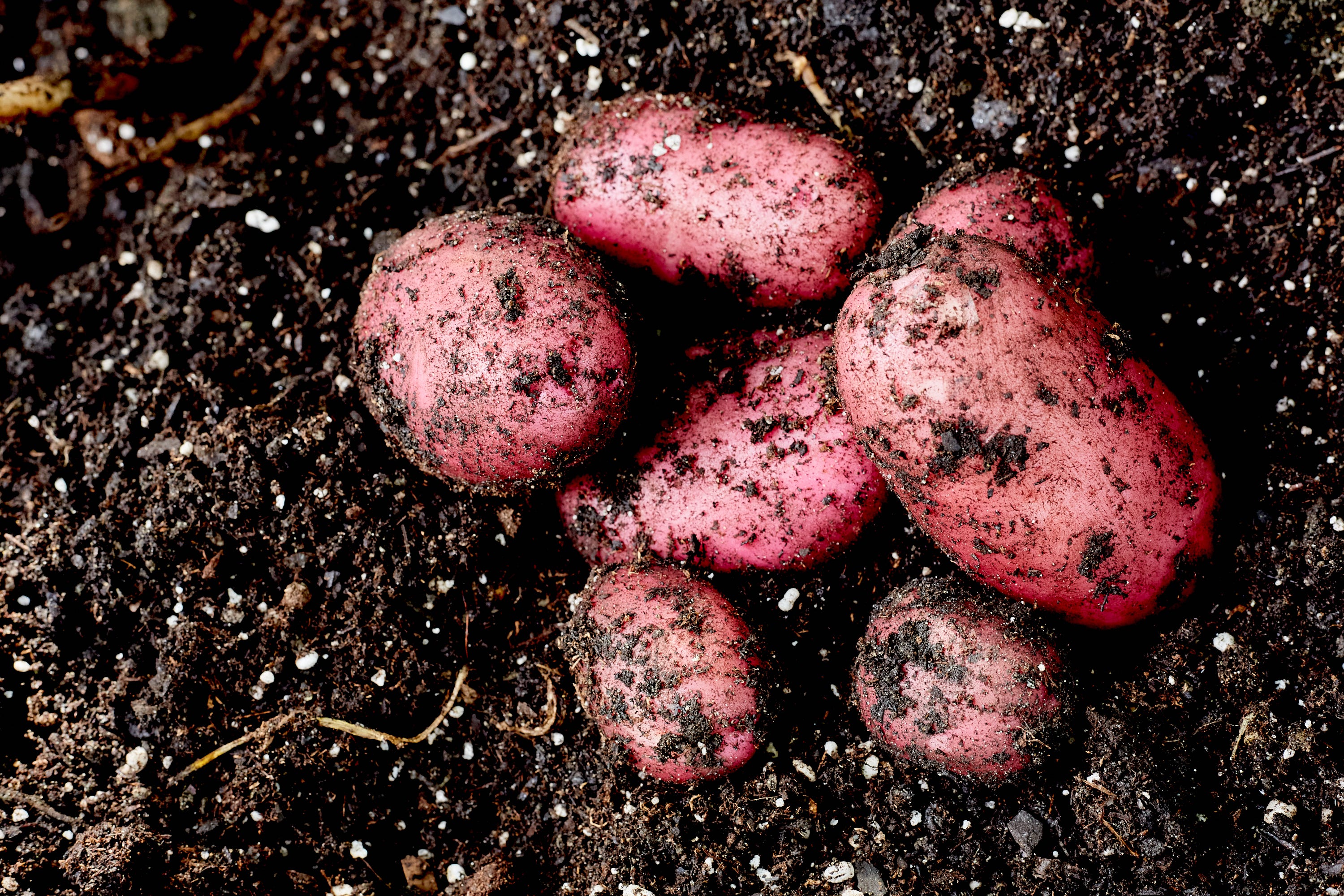
North Dakotan Brett Vogsland planted his first season of potatoes in 1990. A neighbor was trying to get rid of a truck full of surplus seed—for growing red potatoes destined for consumers—and had asked his dad if he had any ground to grow them. Vogsland made ready a 22‑acre field, half of which his father gave him as a bonus.
Vogsland got lucky that year. His field’s so-called heavier ground could grow high-quality potatoes if you could get them out of the dirt in good condition. Overly wet ground damaged the product, but you still needed moisture to harvest.
“We got an inch of rain that nobody else got,” he says. “We had a bumper crop. I made $26,000 on eleven acres.”
Vogsland continued growing potatoes—getting larger loans each year. The price would be high and it was a money year. The next year, seed costs would skyrocket. Or the price would plummet.
“I did a number of things right,” Vogsland says, “and all of the sudden it doesn’t matter what you’re doing, it’s wrong.”
He was set to clear $150,000 in profit one year. The fields were perfect. One Sunday morning it started raining. Eight inches fell. If water stood in the rows for 24 hours, the crop would fail.
“I tried to save as many as I could,” Vogsland says. “Of course, the price was great.”
One crop succumbed to late blight, the same affliction that caused the Irish Potato Famine of 1845 to 1852. Says Vogsland, “It rips your heart right out of you.”
He farmed potatoes for the last time in 1997, taking out a $300,000 loan that resulted in bankruptcy. “I didn’t eat potatoes after that for a while,” Vogsland says. “I might have drank some. I should never have raised potatoes.”
*
©2025 Anderson